Importing Kids Clothing from Bursa, Step by Step
Bursa is one of Turkey's densest textile manufacturing cities and ships baby and kids clothing regularly to Europe, the Balkans and the Middle East. This guide walks through the path overseas buyers follow on a first order.
1. Verify the Supplier
The first step is verification, not price. Check:
- Does the company produce in its own facility, or resell?
- Is the address and factory real? Our factory visit guide has location and appointment details.
- Which language do they correspond in, and how fast do they reply?
- Have they shipped to your market before?
Buying through an agent is not wrong, but you should know who controls the price and the delivery date.
2. Style Selection and Samples
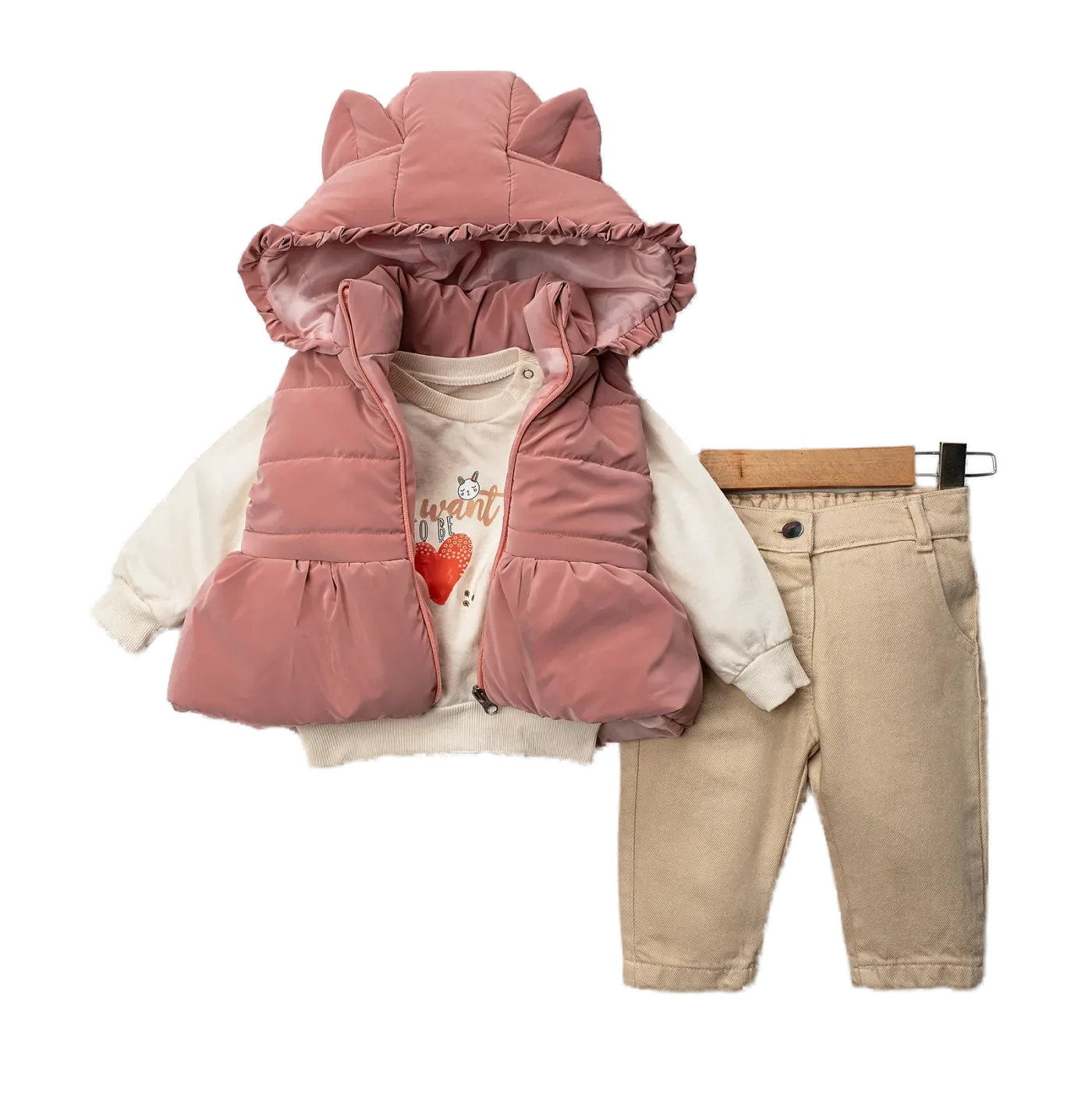
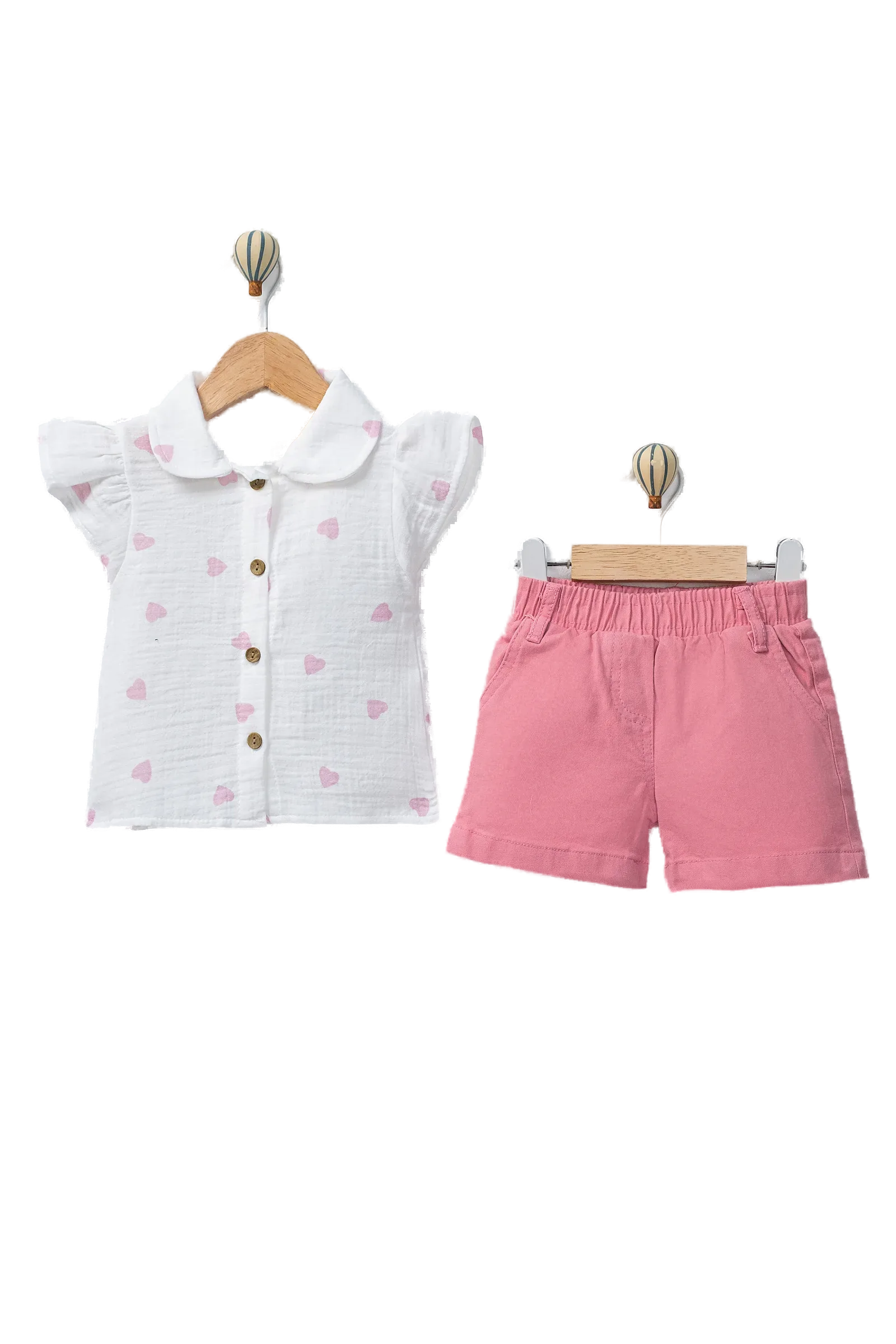
Pick style codes from the catalogue and request samples. On the sample, check:
- Fabric hand and weight
- Stitching quality, clean inner seams
- Whether measurements suit the fit expected in your market
- Colour tone (screen colour and fabric colour rarely match)
- Shrinkage and colour bleed after washing
Do not approve without washing the sample. Our fabric quality guide covers these tests.
3. Quantity, Price and Quote
Three things are enough for a quote: style codes, quantity range and size split. What drives the minimum is explained in our MOQ guide.
The quote should settle:
- Unit price and currency
- What the price includes (packaging, labels, cartons)
- Production lead time
- Delivery terms: ex-works, or delivered to port or airport
4. Payment
Common methods in textile exports are bank transfer (prepayment, or deposit plus balance) and letters of credit. First orders usually run on deposit plus balance before shipment. Settle:
- Deposit percentage and when it is due
- At which stage the balance is paid
- Who carries the bank charges
Payment terms are agreed per order — put them in writing before confirming.
5. Shipping
Kids clothing is bulky but light, so the choice usually goes:
| Method | When |
|---|
| Road | Europe and the Balkans; medium volume, balanced cost |
| Air | Small and urgent batches, early-season top-ups |
| Sea | Large volume, distant markets; lowest unit cost |
| Courier | Samples and very small batches |
State your packing requirements up front: polybagged or hung, units per carton, what the carton label must show. Packaging that fits your warehouse intake shortens time to shelf.
6. Documents
A shipment is generally accompanied by:
- Commercial invoice
- Packing list
- Certificate of origin
- For EU destinations, the movement certificate required for preferential customs treatment
- Transport document (CMR, air waybill or bill of lading)
Which documents apply depends on the destination country and customs regime — confirm with your own customs broker before ordering. We handle export paperwork and shipping coordination on our side.
7. After the First Order
What makes a repeat order easy is data: which style, which size, how fast it sold. Buyers who share this pick far better in the next collection.
Frequently Asked Questions
Which countries do you ship to?
We export primarily to European and Middle Eastern markets. Ask about your destination on WhatsApp.
Can I visit the factory?
Yes, by appointment. Address and directions are in the factory guide.
What is the lead time?
It depends on style, quantity and seasonal load, and is stated in writing with the quote.
Conclusion
The hard part of importing is not customs — it is the right supplier and a well-built first order. A small, well-planned first batch beats a large, wrong one every time. Browse the catalogue and request a quote with your style codes.